
BFRBs and Behavioural Addiction
 OwnMySkin.com
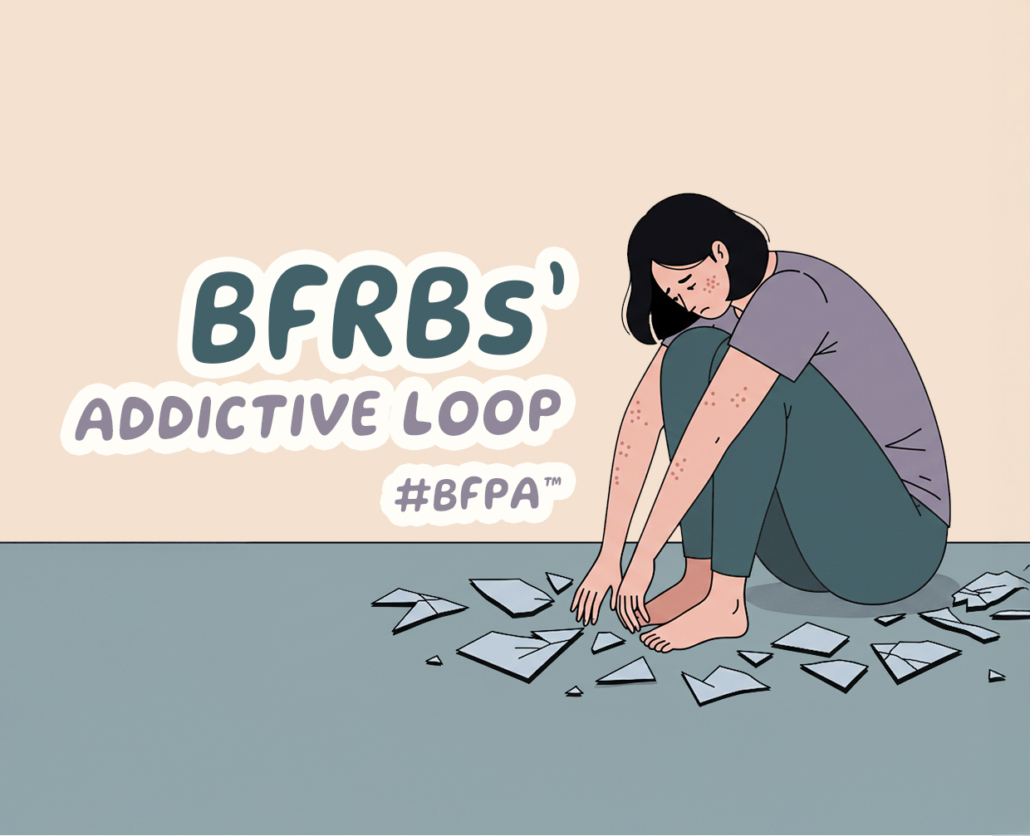
The Dopamine Loop: How BFRBs Function Like an Addiction
It is a deeply painful experience to live with a Body-Focused Repetitive Behaviour (BFRB) like Trichotillomania (hair pulling) or Dermatillomania (skin picking). For too long, the intense, compelling urge to engage in these behaviours has been mistakenly understood by the wider public and even some professionals as a simple “bad habit” or a matter of poor self-control. This misunderstanding has led to enormous shame and isolation, making it incredibly difficult for people to seek help.
New perspectives are emerging that offer a more compassionate and accurate way to understand this struggle. By exploring the powerful, underlying neurological drivers, some clinicians are now reframing these conditions as Body Focused Process Addictions (BFPA™). This new classification moves beyond the damaging stigma of a ‘habit’ and opens the door to specialised healing paths that provide a greater sense of hope and validation for those who struggle.
The BFPA™ Framework: Understanding the Addictive Loop
The word “addiction” is powerful, and we must be precise about what it means in this context.
Calling a BFRB a process addiction does not mean it is the same as a physical dependency on alcohol or illegal drugs. The chemical dependency and withdrawal symptoms associated with substance abuse are physically different. However, BFRBs share the same fundamental neurological and behavioural template as other non-substance, or process, addictions (like gambling or excessive gaming).
1. The Dopamine Connection
The most profound link to addiction lies in the brain’s chemistry. When a person feels the overwhelming urge to pick or pull, it is often preceded by a feeling of anxiety or tension. The act itself provides a moment of relief, or in some cases, a unique satisfaction (such as finding the “right” hair or skin spot). This completion triggers a release of dopamine, a key neurotransmitter in the brain’s reward system.
This chemical reward is a powerful positive reinforcement. The brain learns: “When I feel anxious, this behaviour works immediately to create a sense of control or relief.” This cycle of seeking a quick, chemically-rewarding fix is the exact mechanism that fuels any process addiction, creating a compulsion that is incredibly difficult to override with sheer willpower alone.
2. Compulsion Over Consequence
A core sign of any addiction is the continuation of the behaviour despite negative consequences. For BFRBs, these consequences are deeply life-altering:
- Physical Harm: Scarring, infection, permanent hair loss, and physical discomfort.
- Isolation and Shame: Avoiding social situations, relationships, or work events due to fear of discovery.
- Time and Energy Drain: Spending hours engaged in the behaviour, neglecting academic, occupational, or familial duties.
When the drive to engage in the behaviour consistently outweighs the logical awareness of its destructive effects, it shows a loss of control characteristic of a process addiction.
3. Tolerance and Withdrawal
BFRBs often exhibit classic signs of dependency: the urge requires increased frequency or intensity (tolerance) to achieve the same feeling of relief. Conversely, when attempts are made to stop, the individual may feel intense emotional distress, irritability, and anxiety (emotional withdrawal).
The Specialised Healing Path:
It’s Not a Cold Turkey Detox
It is important to remember that classifying BFRBs as a process addiction does not equate the experience with chemical dependence on substances like alcohol or opiates. The focus is on the shared compulsive and neurological pathways.
This distinction is key because it changes the treatment approach:
- BFPAs are not treated with “cold turkey” detox. The healing path is specialised, focusing on addressing the function of the behaviour (often rooted in trauma and emotional regulation) while integrating shame resilience and targeted behavioural therapies like Habit Reversal Training (HRT).
By embracing the BFPA™ label, we can finally stop minimising the struggle and begin treating the powerful neurological engine driving the compulsion. It’s the compassionate framework that validates the sufferer’s experience and offers a genuine path toward lasting healing.
A specialised treatment model for BFPAs™ should be holistic and may include:
- Addressing the Roots: Treatment must explore the function of the behavior, especially its role in emotion regulation and coping with past trauma. Many BFPAs™ are deeply rooted in the need to self-soothe or process overwhelming feelings.
- Shame Resilience: Utilizing therapeutic models that focus on reducing shame and cultivating courage. Healing the trauma and shame associated with the condition allows the individual to stop hiding and begin accepting support.
- Behavioural Interventions: Implementing evidence-based techniques, such as Habit Reversal Training (HRT) and Stimulus Control, within a larger addiction recovery framework to break the physical cycle.
- Building Community: Connecting with a safe and supportive community is essential. The shared experience helps combat the intense isolation and secrecy caused by shame, providing validation and a sense of belonging critical to long-term recovery.
Mental health struggles can take many forms, and two often-discussed behaviours are dermatillomania and self-harm. Although they may seem similar on the surface, they differ significantly in their motivations, expressions, and effects on those who experience them (read my article on Self-Harm).
Conclusion: A New Perspective
The reframing of BFRBs as BFPA™ represents a significant step forward in understanding these complex conditions. By acknowledging the neurological and compulsive patterns, the shared addiction engine, this classification provides a more functional and compassionate lens for specialised treatment. The approach facilitates validated healing strategies by moving past the stigma of “bad habits.”
Find Out More
If you’re interested in learning more about the Body Focused Process Addiction (BFPA™) classification, the specific behaviours it covers, and the specialised treatment principles outlined by its developers, additional clinical information can be found at bodyfocusedprocessaddictions.com.
 ownmyskin.com
 own my skin

 ownmyskin.com